Workplace air quality is not only important for employee comfort—it is a legal requirement under UK health and safety regulations. Poor indoor air can lead to health problems, reduced productivity, and even legal consequences if it falls below required standards. One of the most effective ways to ensure safe air quality is through General Ventilation Cleaning, which removes dust, allergens, and contaminants from HVAC systems. At Pro Vent Compliance, we provide expert ventilation cleaning services across Edinburgh, Glasgow, and the Central Belt, helping businesses meet workplace air quality regulations while ensuring healthy, efficient indoor environments.

Workplace Air Quality Regulations in the UK
The Health and Safety at Work Act 1974 requires employers to maintain a safe working environment, which includes providing clean and breathable air. The Workplace (Health, Safety and Welfare) Regulations 1992 further specify that workplaces must be ventilated with fresh or purified air. The Health and Safety Executive (HSE) also issues guidelines on maintaining ventilation systems to control airborne contaminants. For certain industries—such as healthcare, manufacturing, and food production—these requirements are even stricter, making compliance a top priority.
Why Ventilation Systems Require Regular Cleaning
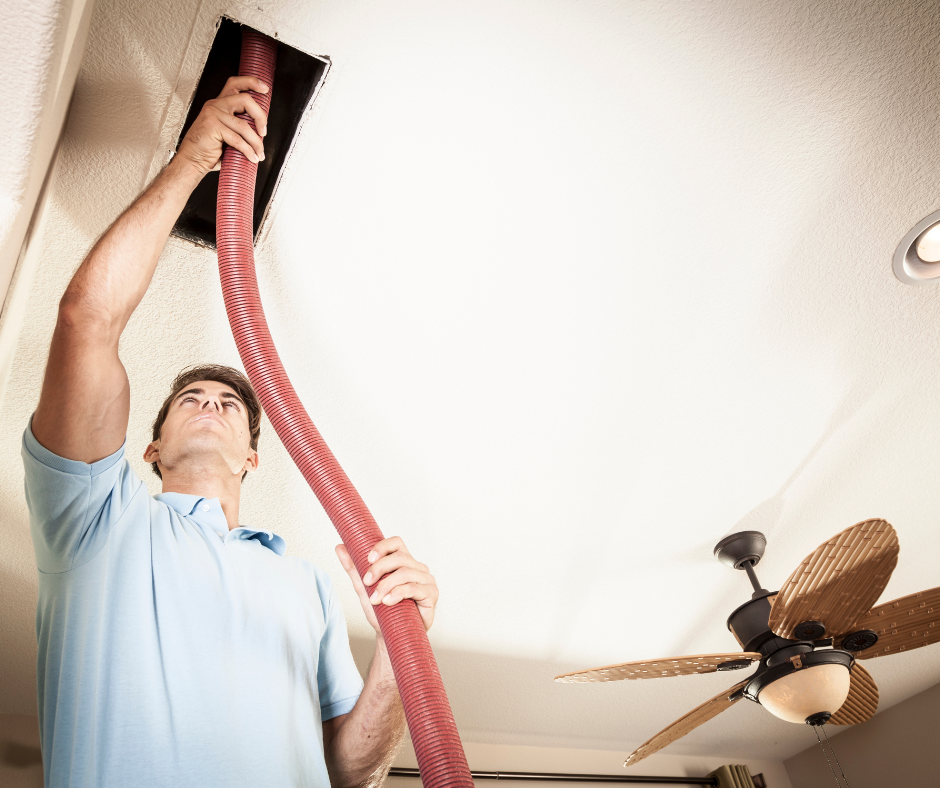
Ventilation systems operate continuously, circulating air through ducts, filters, and fans. Over time, dust, pollen, bacteria, and mould spores accumulate inside these systems. Without regular cleaning, these contaminants can be redistributed throughout the workplace, degrading air quality and potentially causing health problems for employees. Additionally, dirt build-up can block airflow, reduce system efficiency, and put unnecessary strain on mechanical components.
Linking Clean Ventilation to Legal Compliance
Maintaining clean ventilation systems is a key part of meeting workplace air quality regulations. HSE guidance recommends routine inspections and cleaning to ensure systems remain effective and free from harmful build-ups. Documented cleaning not only supports compliance but also serves as proof during inspections, audits, and insurance reviews. Businesses that fail to maintain their ventilation systems can face enforcement action, fines, and reputational damage.
Protecting Employee Health and Productivity
Poor air quality in the workplace can lead to headaches, respiratory problems, fatigue, and allergic reactions. In the long term, it can contribute to more serious health issues. Clean ventilation systems help prevent these problems by reducing the circulation of airborne irritants and pathogens. This leads to healthier employees, fewer sick days, and better productivity—a win for both staff and employers.
Controlling Airborne Contaminants in Sensitive Environments
In high-risk environments such as hospitals, laboratories, and food processing plants, airborne contaminants can present serious hazards. A contaminated ventilation system can spread bacteria, viruses, or other dangerous particles quickly through a building. Regular professional cleaning minimises this risk, ensuring these environments remain safe, hygienic, and fully compliant with strict industry standards.
Efficiency Benefits of Clean Ventilation Systems
Clean ventilation systems are more energy efficient. Dust and debris can obstruct airflow, forcing fans and motors to work harder and consume more electricity. This increases energy costs and accelerates wear on equipment. Regular cleaning restores optimal airflow, reduces energy consumption, and helps prolong the life of the system—delivering both cost and sustainability benefits.
Supporting Sustainability and ESG Goals
Many organisations are working to improve their environmental performance, and efficient ventilation systems contribute to lower carbon emissions. By keeping systems clean, businesses reduce energy use and improve their building’s overall efficiency. This supports sustainability reporting, environmental certifications, and corporate social responsibility goals.
Why Professional Cleaning Is Essential
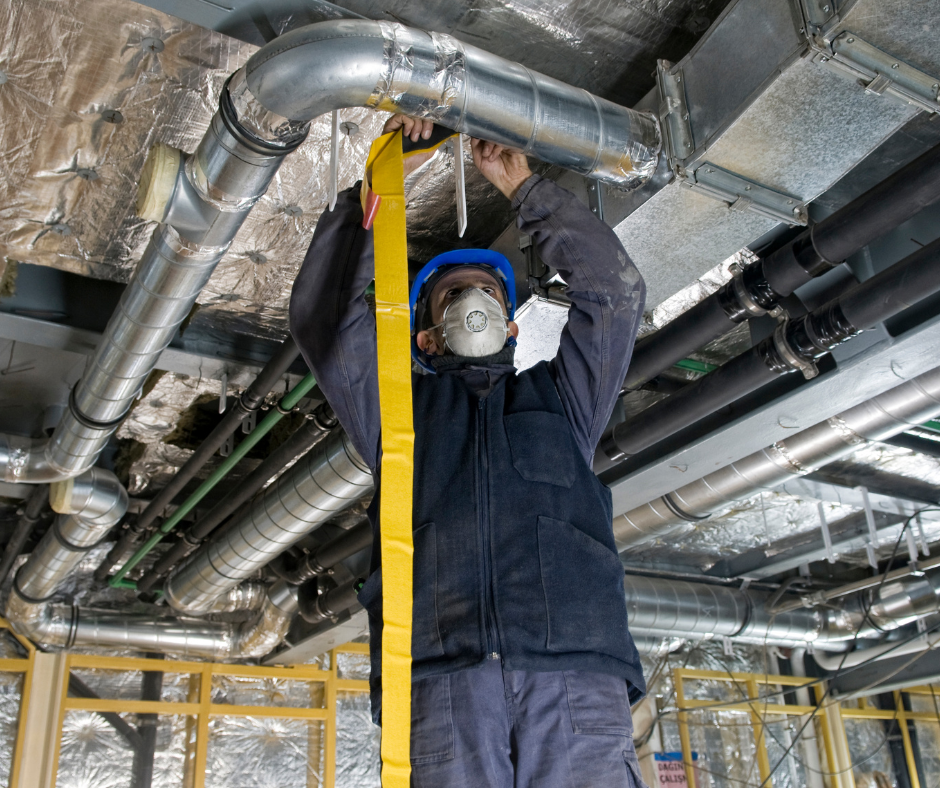
Ventilation cleaning is a specialist task that requires the right training, equipment, and understanding of industry standards. Professional technicians follow recognised procedures, such as those outlined by the Building Engineering Services Association (BESA), to ensure thorough cleaning of ducts, filters, air handling units, and other components. Professional services also provide detailed reports with photographs and inspection records—essential for demonstrating compliance.
Reducing Downtime and Unexpected Maintenance Costs
A neglected ventilation system is more likely to suffer from breakdowns, which can disrupt operations and require costly repairs. In some industries, poor air quality can even result in a temporary shutdown until the issue is resolved. Incorporating regular cleaning into a planned maintenance schedule minimises these risks, ensuring business continuity.
Providing Proof for Inspections and Audits
Regulators, insurers, and clients often request evidence that ventilation systems are properly maintained. Professional cleaning services include comprehensive documentation, including before-and-after photos, system performance notes, and cleaning logs. Having this proof on hand ensures you can demonstrate compliance quickly and effectively when required.
Conclusion
Clean ventilation systems are essential for meeting workplace air quality regulations, protecting employee health, and keeping operations running efficiently. By investing in General Ventilation Cleaning, you reduce legal risks, improve productivity, and extend the lifespan of your systems. At Pro Vent Compliance, we help businesses across Edinburgh, Glasgow, and the Central Belt maintain safe, healthy, and regulation-compliant workplaces. Schedule your professional ventilation cleaning today and ensure your air is as safe and clean as it should be.

Write a comment ...