
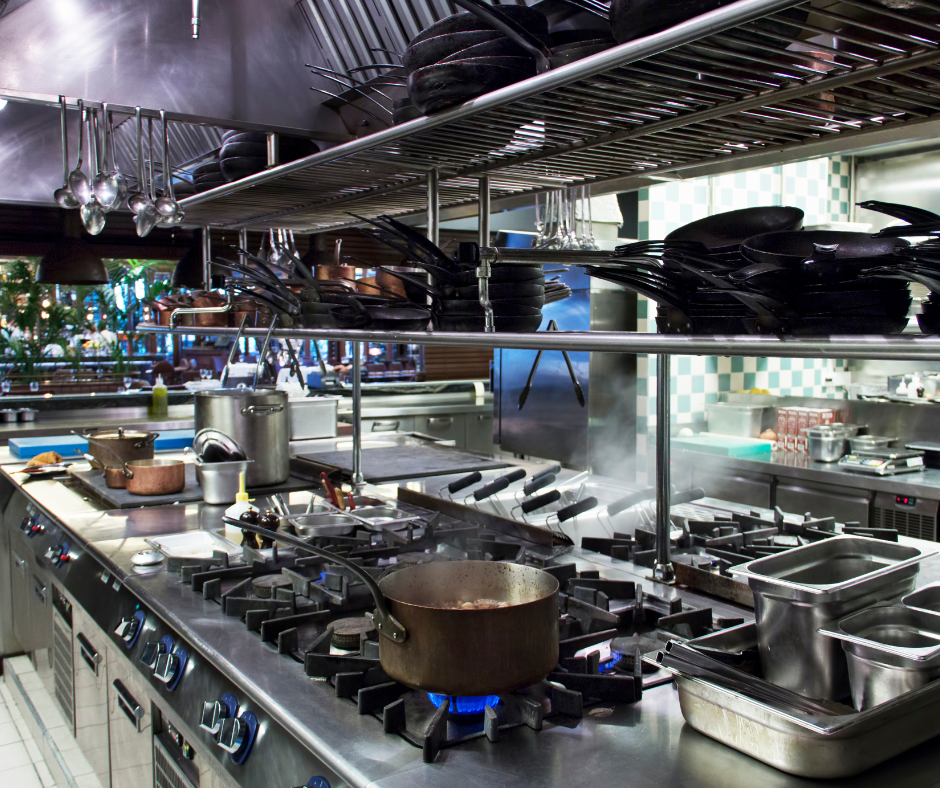
Commercial kitchens operate in high-pressure environments where heat, grease, and constant cooking activity are part of daily operations. Over time, grease vapours travel through the extract system and settle inside ductwork, fans, and canopies. Without proper maintenance, this build-up becomes a serious fire hazard and a compliance risk. Understanding how often to schedule TR19 kitchen extract cleaning is essential for restaurant owners, facilities managers, and property managers who want to protect their staff, customers, and premises. Regular cleaning is not just about hygiene; it plays a critical role in meeting industry standards, maintaining insurance validity, and ensuring your ventilation system performs safely and efficiently throughout the year.
Understanding the TR19 Standard
The TR19 standard was developed to provide clear guidance on the cleaning of ventilation systems, particularly grease extract systems in commercial kitchens. It sets measurable benchmarks for acceptable grease thickness and outlines best practices for inspection and maintenance. The purpose of the standard is simple: reduce fire risk and ensure systems are maintained in a condition that supports safe operation.
Grease accumulation inside ductwork is highly combustible. In the event of a kitchen fire, flames can rapidly spread through uncleaned extract systems, causing severe structural damage. TR19 provides a structured approach to cleaning frequencies based on kitchen usage levels, helping businesses make informed maintenance decisions rather than relying on guesswork.
Cleaning Frequency Based on Kitchen Usage
The frequency of extract cleaning depends largely on how heavily the kitchen is used. A kitchen operating sixteen hours a day will generate far more grease than one serving light lunches five days a week. For this reason, cleaning schedules are typically determined by cooking intensity and operational hours.
High-volume kitchens, such as busy restaurants, hotels, or fast-food establishments, often require cleaning every three months. Moderate-use kitchens may require cleaning every six months. Lower-use facilities, such as community centres or seasonal businesses, may only need annual servicing. These intervals are designed to prevent grease levels from exceeding the limits set within TR19 guidance.
However, these are general guidelines. Each kitchen is different, and factors such as cooking methods, menu type, and equipment configuration also influence grease production.
The Role of Fire Risk Assessment
A professional fire risk assessment should always influence cleaning schedules. Insurers and fire safety officers expect businesses to demonstrate proactive risk management. If a fire were to occur and maintenance records were incomplete or irregular, insurance claims could be challenged.
Fire risk assessments evaluate the likelihood of ignition and the potential spread of fire through duct systems. If heavy grease deposits are identified, cleaning frequency may need to increase. Regular inspections between scheduled cleans also help determine whether your current interval remains appropriate or needs adjustment.
Legal and Insurance Considerations
Commercial kitchen operators have a legal responsibility to maintain safe working environments. Extract systems are a known fire hazard if neglected. Regulatory bodies and insurers frequently refer to TR19 guidance when assessing compliance.
Failure to maintain documented cleaning records can result in penalties, enforcement notices, or complications with insurance coverage. In many cases, insurers specify minimum cleaning frequencies within policy terms. Scheduling cleaning in line with recommended standards ensures you remain compliant and protected.
Maintaining detailed post-clean reports, including before-and-after photographs and grease thickness measurements, provides clear evidence that your system meets required standards.
Signs Your Extract System Needs Immediate Attention
Even if you follow a structured cleaning schedule, certain warning signs indicate the need for earlier intervention. A noticeable increase in cooking odours, excessive smoke retention, or grease dripping from canopy areas suggests build-up within the system. Reduced airflow or unusual fan noise can also signal restricted ductwork.
Visual inspection of accessible areas may reveal grease accumulation around filters or duct joints. If these issues appear before your next scheduled service, delaying action can increase both fire risk and system strain.
Proactive maintenance is always more cost-effective than emergency repairs or dealing with fire damage. Addressing problems early helps maintain safe kitchen operations and protects long-term business continuity.
Operational Benefits Beyond Fire Safety
While fire prevention is the primary driver behind structured cleaning schedules, there are additional operational benefits. A clean extract system supports better airflow, which improves temperature control within the kitchen. This creates a more comfortable working environment for staff and reduces strain on ventilation equipment.
When airflow is unrestricted, fans and motors operate more efficiently. This can reduce energy consumption and extend the lifespan of mechanical components. Over time, consistent cleaning can lower maintenance costs by preventing excessive wear caused by grease-related blockages.
Clean systems also contribute to improved hygiene standards. Environmental health inspections often include visual assessments of kitchen cleanliness, and poorly maintained extraction systems can raise concerns during audits.
Adjusting Your Cleaning Schedule Over Time
Kitchen operations are rarely static. Menu changes, business growth, extended opening hours, or new equipment installations can all impact grease production. Reviewing your cleaning frequency annually ensures it remains aligned with current operational demands.
For example, a café that expands into evening service with fried menu items may experience a sharp increase in grease output. In such cases, maintaining a previous annual schedule may no longer be sufficient. Regular dialogue with your cleaning provider allows for informed adjustments based on inspection findings and grease measurement data.
Consistency is key. Rather than waiting for visible problems to arise, planned preventative maintenance ensures compliance and safety remain uninterrupted.
Choosing a Competent Specialist
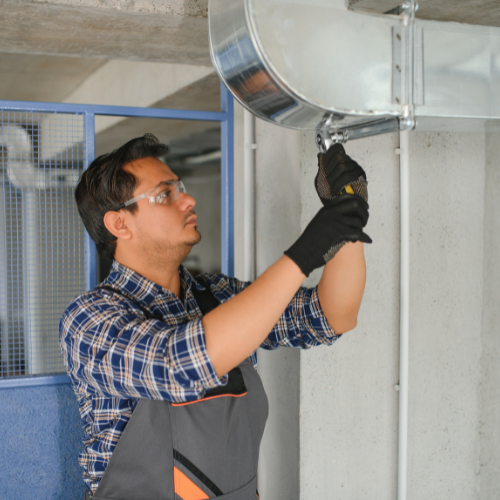
The effectiveness of extract cleaning depends heavily on the competence of the provider. Professional contractors should follow industry standards, access all parts of the system, and provide detailed documentation upon completion.
Proper cleaning involves more than surface wiping. It requires degreasing of ductwork, fans, access panels, and canopy interiors to acceptable thickness levels. Incomplete cleaning can leave hidden deposits that still pose significant risk.
Working with experienced specialists ensures your system is not only cleaned but inspected for damage, access issues, or potential compliance concerns.
Conclusion
Determining how often to schedule kitchen extract cleaning ultimately depends on usage levels, fire risk assessments, and insurance requirements. High-volume kitchens may require quarterly servicing, while lower-use operations may need annual attention. The key is adopting a proactive approach supported by regular inspections and professional documentation. Clean extract systems reduce fire risk, support compliance, improve airflow, and extend equipment lifespan. By partnering with a trusted provider such as Pro vent Compliance, businesses can maintain safe, efficient kitchen environments while meeting regulatory and insurance expectations with confidence.


Write a comment ...