
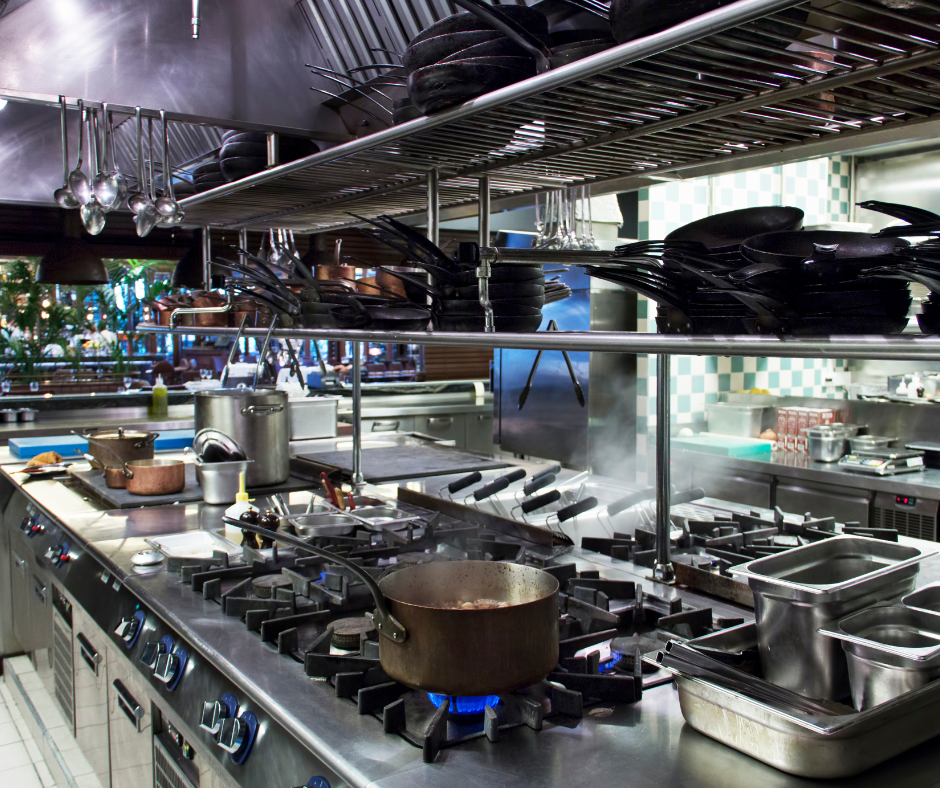
Commercial kitchens are fast-paced, high-risk environments where heat, grease, and constant operation combine to create serious fire hazards if systems are not properly maintained. Kitchen extraction cleaning in Scotland is not just a best-practice task-it plays a vital role in protecting lives, property, and businesses from preventable fires. Grease-laden extraction systems are one of the leading causes of kitchen fires, particularly in restaurants, hotels, and care facilities. In Scotland, where fire safety enforcement and insurance expectations are strict, neglecting extraction cleaning can lead to severe consequences. Understanding why regular cleaning is essential helps business owners stay compliant, reduce risk, and maintain a safe working environment for staff and customers alike.
The Fire Risk Hidden in Kitchen Extraction Systems
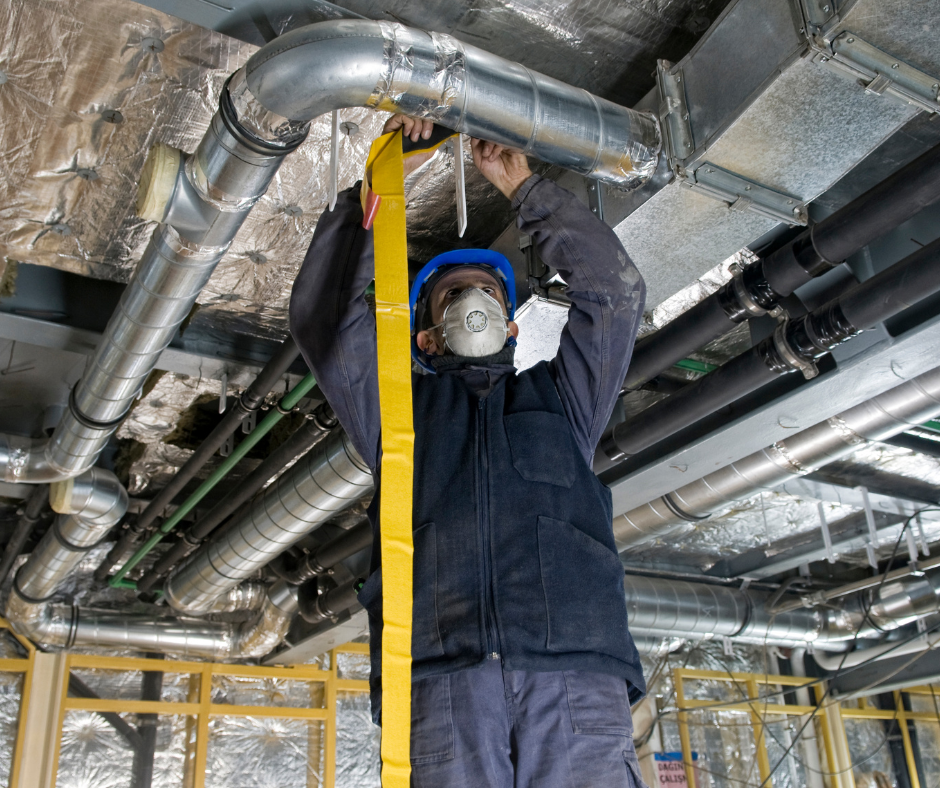
Kitchen extraction systems remove heat, smoke, and airborne grease from cooking areas. Over time, grease accumulates inside canopies, ductwork, and fans. This build-up is highly flammable and can ignite rapidly when exposed to open flames or high temperatures. Unlike surface fires, extraction fires often spread unnoticed through ductwork, making them harder to control and far more destructive.
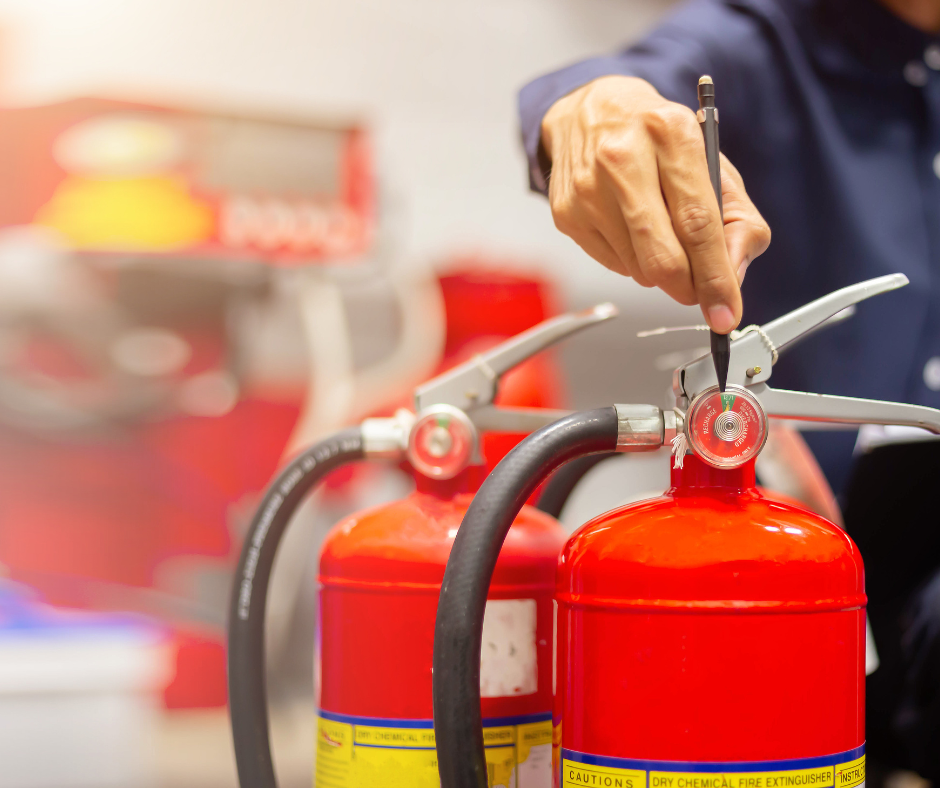
In Scotland, Fire and Rescue Services frequently identify poor ventilation hygiene as a contributing factor in commercial kitchen fires. Regular cleaning significantly reduces the fuel available for ignition, limiting the chance of fire spreading beyond the cooking area. Without proper maintenance, even a small flare-up can escalate into a major incident, endangering staff, customers, and the building itself.
Understanding Legal and Regulatory Responsibilities in Scotland
While there is no single law that states extraction systems must be cleaned, Scottish businesses are legally required to manage fire risk under the Fire (Scotland) Act 2005 and related regulations. This includes maintaining equipment in a condition that does not pose a danger. Industry guidance such as TR19 (issued by BESA) is widely recognized as the accepted standard for ventilation hygiene.
Fire safety officers, insurers, and local authorities often expect evidence that TR19 guidance is being followed. Failure to demonstrate adequate maintenance can result in enforcement action, invalidated insurance claims, or prosecution after an incident. Regular, documented cleaning shows that a business is taking reasonable steps to meet its legal responsibilities.
TR19 Standards and Why They Matter
TR19 provides clear guidance on how often kitchen extraction systems should be cleaned and to what standard. It categorises kitchens by usage level and specifies acceptable grease limits inside ductwork. This creates a measurable, auditable benchmark for cleanliness rather than relying on visual inspections alone.
For Scottish businesses, TR19 compliance offers peace of mind. It provides documented proof that systems are safe and maintained to an industry-recognized level. This is particularly important during fire risk assessments or insurance audits. Without TR19-aligned cleaning and reporting, businesses may struggle to defend themselves if a fire occurs or if compliance is questioned.
Impact on Insurance and Business Continuity
Insurance providers increasingly scrutinise fire prevention measures in commercial kitchens. In many cases, insurers require evidence of regular extraction cleaning as a condition of cover. If a fire occurs and poor maintenance is identified, claims may be reduced or rejected entirely.
Beyond insurance, downtime caused by fires or enforcement closures can be devastating. Lost revenue, reputational damage, and repair costs often far exceed the cost of regular cleaning. By investing in professional extraction cleaning, Scottish businesses protect not only their premises but also their long-term operational stability.
Health, Hygiene, and Workplace Safety Benefits
Fire safety is not the only reason extraction cleaning is critical. Grease build-up can lead to poor air quality, unpleasant odours, and increased bacterial growth. This affects staff wellbeing and can compromise food hygiene standards.
Clean extraction systems improve airflow, reduce heat in kitchens, and create a safer, more comfortable working environment. For businesses subject to Environmental Health inspections, well-maintained ventilation systems demonstrate a commitment to hygiene and professionalism. In Scotland’s competitive hospitality sector, maintaining high standards can directly influence customer trust and repeat business.
Why Professional Cleaning Is Essential
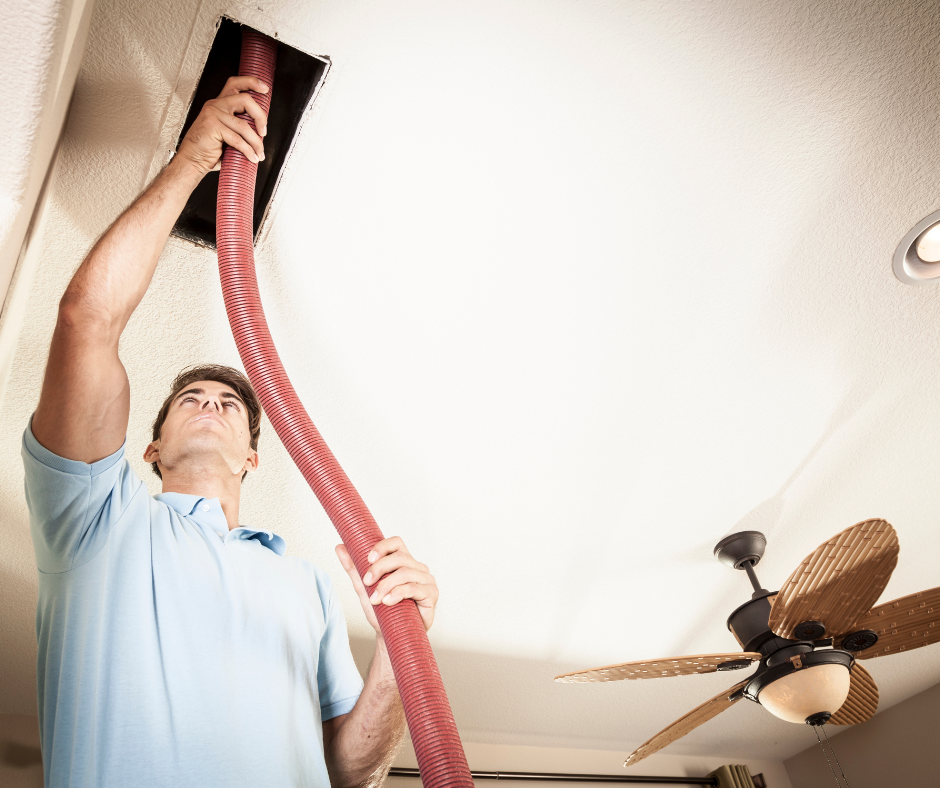
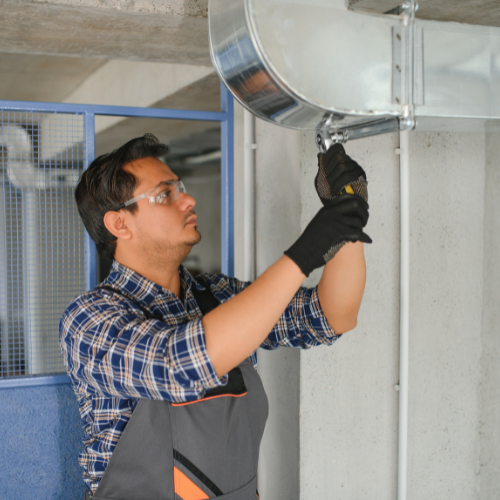
Kitchen extraction cleaning is a specialist task that requires trained technicians, appropriate access equipment, and a thorough understanding of system design. DIY or superficial cleaning often leaves hidden grease deposits untouched, particularly within ductwork and fans.
Professional providers deliver comprehensive cleans, detailed reports, and photographic evidence to support compliance. They also understand Scottish fire safety expectations and inspection processes. Choosing a specialist ensures that cleaning is effective, documented, and aligned with recognized standards rather than being a box-ticking exercise.
Conclusion
Kitchen extraction cleaning is a critical element of fire safety and regulatory compliance for commercial kitchens across Scotland. It reduces fire risk, supports legal obligations, protects insurance cover, and improves workplace hygiene. Ignoring extraction maintenance exposes businesses to unnecessary danger and financial loss. Working with experienced specialists such as Provent Compliance ensures systems are cleaned to the correct standard, fully documented, and ready to meet the expectations of fire authorities, insurers, and auditors-helping businesses operate safely and confidently.

Write a comment ...